Water Our Most Essential Resource (CSW 70)
Date: March 11th, 2026
United Nations Commission on the Status of Women (CSW 70)
Venue: Commonwealth Secretariat, New York
Blog written by Dr. Daphne Pillai
Water, our most essential resource, was at the heart of a powerful and thought-provoking event that brought together global voices, lived experiences, and actionable solutions. Hosted by Soroptimist International on behalf of the Commonwealth Union on Match 11th, 2026 the session opened with a warm and engaging welcome by Pascale Muylaert, who set the tone by reminding us that access to clean water is not only a basic human need, but a fundamental right closely tied to dignity, education, and equality.
The event unfolded through a series of compelling case studies that demonstrated how local action can drive global impact. Joanne Yeoh shared the inspiring story of “Seeds of Change: Clean Water and Rural Empowerment in East Malaysia,” highlighting how sustainable water access initiatives are transforming rural communities, improving livelihoods, and strengthening food security. Her presentation underscored the critical link between water, agriculture, and women’s empowerment.
From Malaysia, the focus shifted to Africa, where Alice Owuor presented a practical and impactful case study on how water tanks and dams are helping build food security in Kenya. Her insights illustrated how relatively simple infrastructure solutions can have far-reaching effects which enable communities to withstand climate variability while enhancing resilience and self-sufficiency.
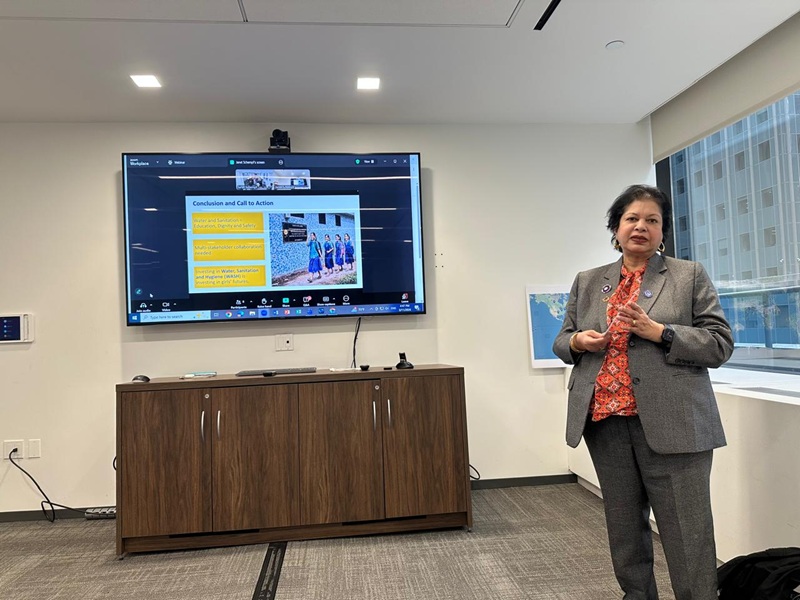
A deeply personal and compelling segment followed with “Dignity in Every Drop: Water, Hygiene and Girls’ Right to Learn in Raigad District, Maharashtra,” presented by Dr. Daphne Pillai. This case study brought into sharp focus the intersection of water, sanitation, and education, showing how access to safe water and hygiene facilities directly influences girls’ school attendance, confidence, and long-term opportunities. The discussion that followed reflected both concern and commitment, reinforcing the urgent need for sustained investment in water and sanitation infrastructure in educational settings.
The conversation then broadened to a global perspective with “Living on the Edge: Climate Refugees,” presented by Dr. Donnell Davies. This session highlighted the growing reality of displacement driven by climate change, where water scarcity and environmental degradation are forcing communities to migrate. It served as a sobering reminder that water is not only a development issue, but increasingly a matter of survival and global stability.
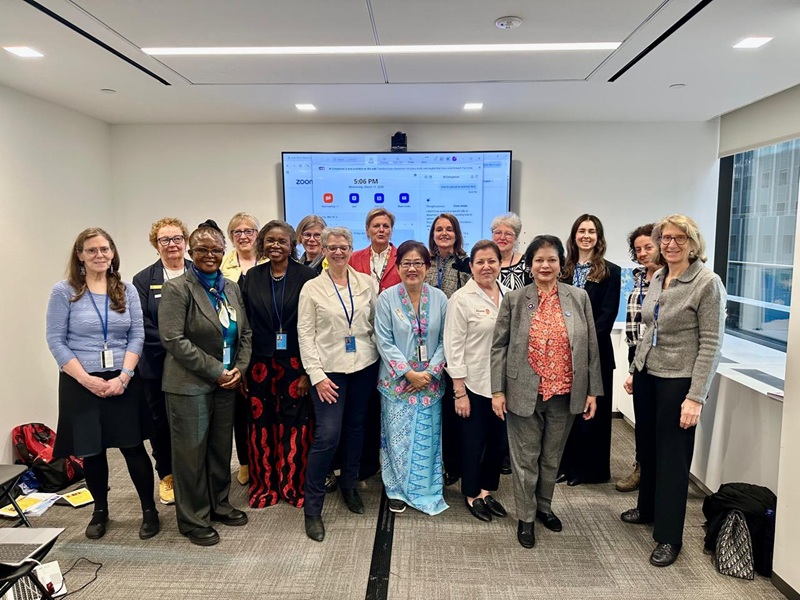
A particularly inspiring moment was the introduction of a global network of women water champions, leaders and changemakers working at the grassroots and policy levels to advocate for sustainable water solutions. Their collective efforts demonstrate the power of collaboration and the importance of women’s leadership in addressing one of the world’s most pressing challenges.