sibombaychembur.secretary@gmail.com | 022-25224856 | Chembur, Mumbai 400 071
Donate Now 🤍

Commission on the Status of Women (CSW 70)

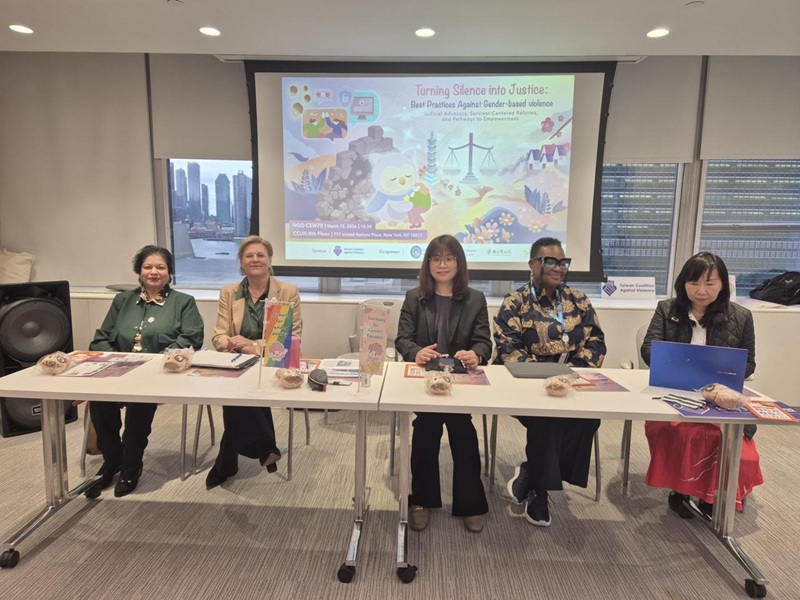
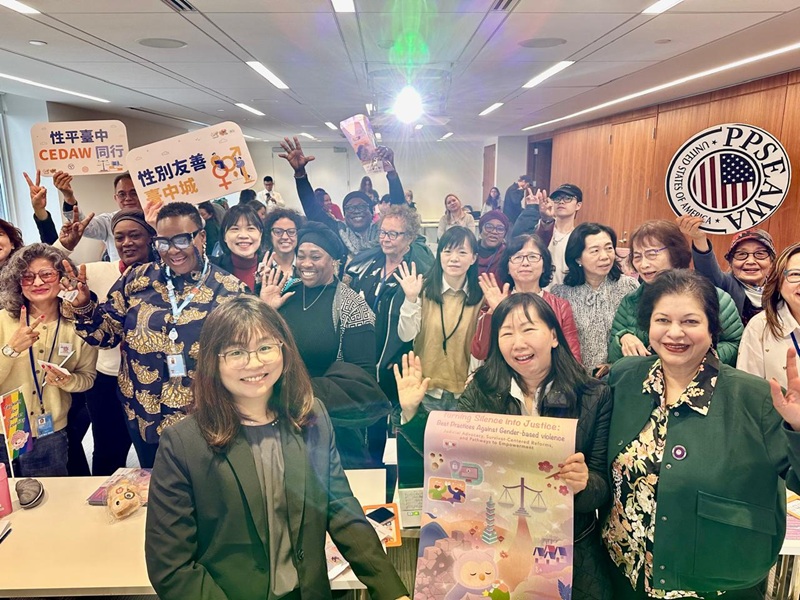
Commission on the Status of Women (CSW 70) Turning Silence into Justice. Best Practices against Gender Based Violence.

Organiser: Taiwan Coalition Against Violence
Date: March 12th, 2026
Venue: CCUN 10th floor
Moderator: Shu-wen Liao
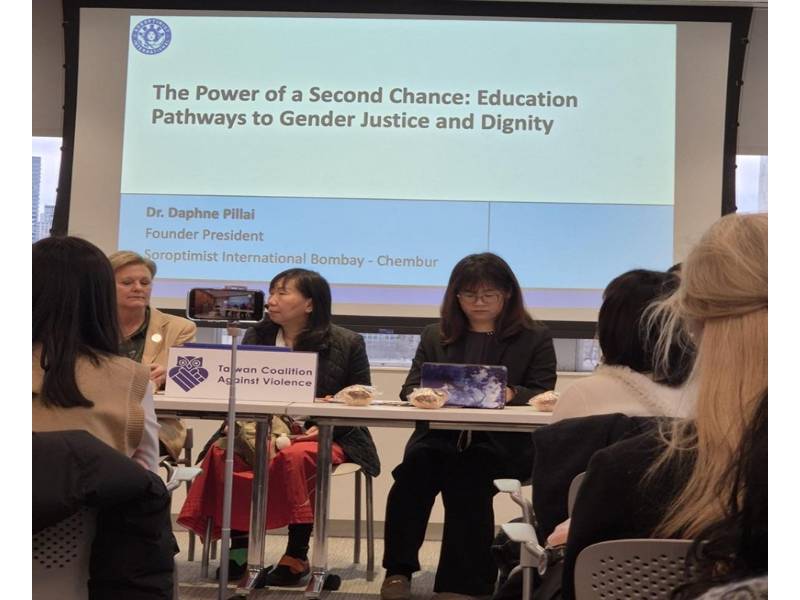
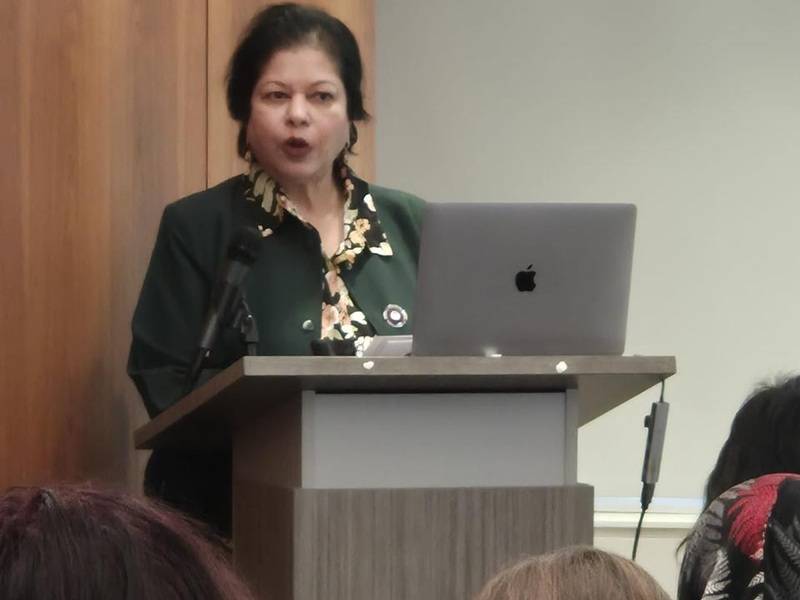
Dr. Daphne Pillai – Speaker on ‘The Power of a Second Chance: Education pathways for Gender Justice and Dignity’
Blog written by Dr. Daphne Pillai

Gender-based violence in India cannot be addressed unless we confront an uncomfortable truth: much of it is hidden in plain sight. It is embedded in tradition, reinforced by social norms, and often dismissed as “private” or “cultural.”

Violence is not only physical. It is structural, systemic, and deeply normalised.
It begins early. Child marriage continues to deny girls their right to education, autonomy, and choice—locking them into cycles of dependency and vulnerability. Dowry-related abuse persists in insidious forms, including emotional coercion, financial pressure, and neglect. Son preference and sex-selective practices reflect a society where the value of a girl is questioned even before birth.

Within homes, violence is frequently invisible. Marital rape remains uncriminalised, leaving women without legal recognition of their most basic right: consent. Women’s mobility, finances, and social interactions are often controlled, while psychological abuse erodes their confidence and sense of self. These are not isolated incidents—they are manifestations of structural inequality.

The burden is even heavier for women at the intersections of caste, class, and community. Dalit and Adivasi women face disproportionate violence, often used to reinforce social hierarchies. Honour-based abuse, acid attacks, and economic exclusion further illustrate how power and patriarchy intersect to silence women.

If we continue to define gender-based violence narrowly, we will continue to respond inadequately.

The response must be broader, deeper, and more transformative.

As highlighted by Berthe de Vos in her reflections on Convention on the Elimination of All Forms of Discrimination against Women (CEDAW), legal frameworks alone are not sufficient unless they are translated into lived realities for women and girls. The gap between rights on paper and rights in practice remains one of the greatest challenges in advancing gender justice.

Education is not just a development priority—it is a strategic intervention against violence.

For nearly three decades, initiatives under The Power of a Second Chance by Soroptimist International of Bombay Chembur have demonstrated how education can disrupt cycles of abuse. Adult literacy programmes have enabled women to reclaim agency, build confidence, and participate in decision-making. Skills training and livelihood opportunities have reduced economic dependency—one of the strongest drivers of vulnerability to abuse.

In today’s context, digital and financial literacy are equally critical. Access to technology allows women to connect to support systems, report violence, and participate in the economy. Financial knowledge equips them to make independent decisions, avoid exploitation, and build sustainable futures.

At the community level, awareness initiatives from street theatre to school-based education on bodily autonomy—are challenging harmful norms and creating space for dialogue. Legal awareness programmes are transforming women from silent survivors into informed rights-holders.

These interventions demonstrate a critical truth:
empowerment is both prevention and protection.

When we invest in education, we do more than empower individuals.
We give meaning to global commitments like CEDAW.
We bridge the gap between rights and reality.
And we move from silence to justice.